
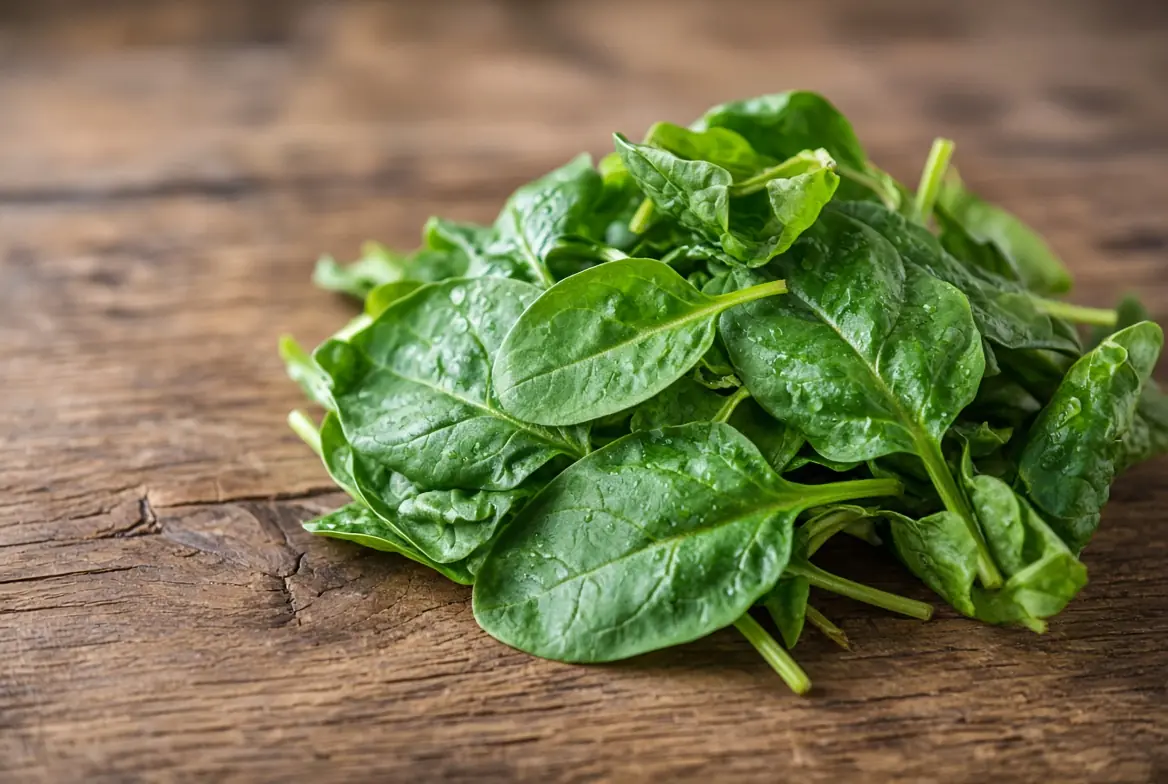
Spinach is not harmful to the kidneys for everyone. For most people with normal kidney function, it can be part of a varied and balanced diet. However, spinach leaves contain significant amounts of oxalate and potassium. These components may require attention in people who have had calcium oxalate kidney stones or need to manage their potassium intake because of chronic kidney disease (CKD).
This does not mean that everyone with CKD needs to eliminate spinach, or that everyone who has had kidney stones must avoid it completely. A person's history of kidney stones, laboratory results, portion size, cooking method, medications, and overall diet all matter. Dietary recommendations should be individualized with guidance from a physician and registered dietitian.
1. How Spinach Affects Kidney Health
Two components of spinach commonly raise questions about kidney health: oxalate, which is associated with the formation of certain types of urinary stones, and potassium, which may need to be controlled in some people with CKD.
Spinach does not “cleanse” the kidneys and is not, by itself, a cause of kidney disease in everyone.
Nutrient levels vary depending on the variety, serving size, and preparation method. As a reference, 100 grams of raw spinach contain approximately 558 mg of potassium. Oxalate levels are also high, but published values vary considerably depending on the sample and analytical method. Therefore, exact figures should not be considered universal.
2. Oxalate and Kidney Stones: When Should You Be Concerned?
Oxalate can bind to calcium and contribute to the formation of calcium oxalate kidney stones. In people who have previously developed this type of stone or have elevated urinary oxalate levels, healthcare professionals may recommend limiting foods that are particularly high in oxalate, including spinach.
This recommendation depends on the individual's risk assessment and does not automatically apply to everyone.
Consuming an adequate amount of dietary calcium with meals may reduce the intestinal absorption of oxalate in some situations. However, this does not mean that you should start taking supplements or increase your dairy intake without professional guidance. Each patient's calcium requirements and dietary restrictions must be assessed individually.
Green Smoothies and Concentrated Spinach Intake
Using large quantities of raw spinach in juices or smoothies can concentrate oxalate and potassium into a single serving.
People with a history of calcium oxalate kidney stones or those who have been advised to restrict potassium should talk to their physician or dietitian before consuming these preparations frequently.
3. Spinach Potassium Content and Chronic Kidney Disease
Potassium is essential for normal body function, but excessively high blood potassium levels can be dangerous.
In CKD, the kidneys' ability to eliminate potassium may decrease. Nevertheless, it is incorrect to classify every kidney patient as unable to eat potassium-containing foods.
The need for potassium restriction depends on laboratory results, kidney function, dialysis treatment, medications, and the recommendations of the healthcare team.
Boiling spinach in water and discarding the cooking liquid can reduce some of its potassium and soluble oxalate. The amount removed varies according to the way the spinach is cut, the amount of water used, cooking time, and serving size.
Cooking does not turn spinach into a potassium-free or oxalate-free food, and it does not replace individualized dietary guidance.
4. Approximate Comparison of Leafy Greens and Vegetables
The values below are approximate references for raw foods and may vary. This table helps compare different options, but it cannot determine by itself whether a food is allowed or prohibited in the diet of someone with CKD or a history of kidney stones.
| Leafy green or vegetable | Oxalate content | Approximate potassium per 100 g, raw | What to consider |
|---|---|---|---|
| Spinach | High; variable amount | High (~558 mg) | Portion size and frequency may matter for people with oxalate stones or potassium restrictions. |
| Swiss chard | High | High (~380 mg) | Consider serving size and individual recommendations for potassium and oxalate. |
| Collard greens | Variable | High (~400 mg) | Nutrient levels may vary depending on the food and preparation method; elimination is not necessary without a specific recommendation. |
| Lettuce | Generally low | Low (~130 mg) | May be an alternative, depending on the overall dietary plan. |
5. Spinach Consumption According to Kidney Health
The stage of CKD alone does not determine which foods are allowed. Two people at the same stage may have different laboratory results, medications, urine output, and nutritional needs. Use the table below as general guidance, not as an individualized dietary prescription.
| Health situation | General guidance | Considerations to discuss with your healthcare team |
|---|---|---|
| Normal kidney function, with no history of kidney stones | Spinach can be part of a varied diet. | Avoid excessive consumption and maintain dietary variety. There is no need to eliminate spinach automatically. |
| History of calcium oxalate kidney stones | Portion size and frequency may need adjustment. | Discuss urinary oxalate levels, hydration, and adequate dietary calcium with your healthcare professional. |
| CKD with blood potassium levels within the recommended range | Spinach may be included in planned portions. | Confirm appropriate serving sizes based on laboratory results, your overall diet, and medications. |
| Advanced CKD, dialysis, or elevated blood potassium | The amount should be determined individually. | Avoid large portions or concentrated juices without professional guidance. Boiling may reduce some of the potassium. |
6. Myths and Facts About Spinach and Kidney Health
| Statement | Status | Explanation |
|---|---|---|
| “Green smoothies with spinach cleanse the kidneys.” | Myth | No juice can “cleanse” the kidneys or replace their function. Concentrated preparations may contain substantial amounts of oxalate and potassium. |
| “Everyone with CKD needs to avoid spinach.” | Myth | The need to restrict potassium varies according to laboratory results, treatment, medications, and nutritional assessment. |
| “Boiling spinach and discarding the cooking water can reduce some potassium and soluble oxalate.” | Partially true | The effect depends on the cooking method and does not completely remove these components. |
| “Anyone who has had a calcium kidney stone can never eat spinach.” | Not necessarily | Recommendations depend on the type of stone and urinary evaluation. In some cases, adjusting portion size or frequency may be sufficient. |
7. Practical Recommendations for Eating Spinach
1. Avoid excessive amounts in concentrated preparations. Juices and smoothies can contain several servings of leafy greens at once. If you have CKD or a history of kidney stones, discuss these preparations with your healthcare team.
2. If you need to reduce potassium, ask about the cooking method. Boiling spinach in water and discarding the cooking liquid may reduce some of its soluble potassium, although the effect varies.
3. If you have had calcium oxalate kidney stones, individualize your diet. Discuss spinach portions, hydration, and adequate calcium intake with meals with your healthcare professional. Do not start supplements on your own.
4. Eat a variety of leafy greens and vegetables. Lettuce, cabbage, and other options can help diversify your meals while respecting the dietary recommendations for your particular condition.
5. Do not stop medications or change your prescribed diet on your own. Potassium management and kidney stone prevention require appropriate laboratory monitoring and professional guidance.
8. When Should You Talk to a Nephrologist or Dietitian?
Ask for individualized guidance if you have CKD, receive dialysis, have experienced elevated potassium levels, take medications that affect potassium, or have a history of kidney stones.
The type of kidney stone, blood and urine test results, serving size, and cooking method all help determine what is appropriate for you.
Palpitations, severe weakness, fainting, shortness of breath, or a significant worsening of your general condition require medical evaluation. Do not try to manage these symptoms simply by removing foods from your diet.
Spinach is not harmful to the kidneys for everyone, but it deserves attention because it is rich in oxalate and potassium. People with a history of calcium oxalate kidney stones or those who need to control potassium may need to adjust their portion size, frequency, or preparation method, always with individualized guidance.
Boiling spinach and discarding the cooking water can reduce some of these components, but it does not eliminate them completely. Avoid large quantities in concentrated juices if you have dietary restrictions, and talk to your nephrologist or dietitian before making changes to your diet.
How We Reviewed This Article
This version was published on November 2, 2026, and may be updated as new evidence and clinical recommendations become available.