
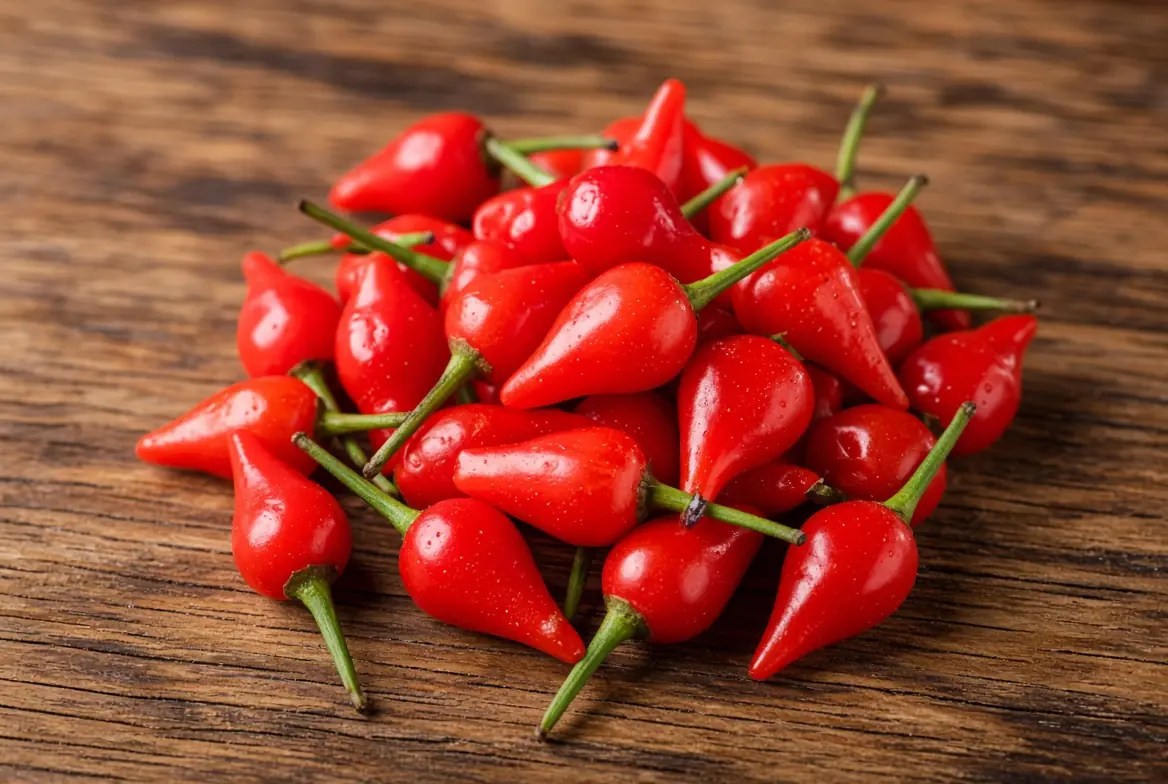
Little Beak Peppers, also known as Biquinho Peppers, are a mild variety of Brazilian pepper commonly used in cooking and pickled preparations. Fresh peppers are not known to cause kidney damage when eaten as part of a normal diet. However, people with chronic kidney disease (CKD) should pay attention to the sodium content of pickled products.
Commercial pickles may contain brine and significantly different amounts of sodium depending on the brand and recipe. Excess sodium can make it harder to control blood pressure, thirst, and fluid buildup in some people with kidney disease, including certain dialysis patients.
This does not mean that all pickled Little Beak Peppers must be avoided. The most important steps are to check the nutrition label, consider portion size, and follow the dietary recommendations provided by your healthcare team.
1. Little Beak Peppers and Kidney Health
Little Beak Peppers, known in Brazil as Biquinho Peppers, belong to the Capsicum genus, which includes both sweet and hot pepper varieties. They are generally described as having a mild flavor, although the perceived heat can vary depending on the cultivar and product.
For most people, the main kidney-related concern with a normal serving of these peppers is not a specific toxic effect. Instead, it is the overall dietary context and, in the case of pickled products, the ingredients added during preparation.
A. Fresh Little Beak Peppers: Flavor Without Pickling Brine
Fresh Little Beak Peppers do not contain the added salt commonly used in pickling brine. They can be used to add flavor and variety to meals.
Like other vegetables, they contain minerals, including potassium. Therefore, it would be incorrect to describe them as potassium-free or automatically suitable in any quantity for every person with CKD.
A small amount used as a seasoning may contribute relatively little to the total potassium intake of a meal. However, portion size and individual dietary recommendations still matter.
The presence of capsaicinoids or other plant compounds does not prove that these peppers provide kidney benefits. There is no sufficient clinical evidence to claim that Little Beak Peppers lower blood pressure, produce a clinically meaningful widening of blood vessels, or prevent the progression of kidney disease.
B. Pickled Little Beak Peppers: Check the Sodium Content
Commercial and homemade pickled peppers may contain different combinations of salt, vinegar, water, oil, sugar, and other ingredients.
The sodium content can vary considerably depending on the brand, recipe, and serving size. When comparing products, check the nutrition facts label and consider how much you actually eat.
A small serving may have a very different impact from eating several servings or consuming the pickling liquid.
Sodium can increase thirst and contribute to fluid retention and poorer blood pressure control in some people. This is particularly important for individuals who have been advised to limit sodium or fluid intake.
The solution is not necessarily to eliminate every pickled food. Instead, evaluate the product label, control portion sizes, and follow the dietary guidance provided by your healthcare team.
2. Comparing Different Ways to Eat Little Beak Peppers
Sodium levels can vary significantly between brands and preparation methods. For this reason, there is no single sodium value that applies to all pickled Little Beak Peppers. Use the nutrition facts label of the specific product to estimate your intake. Potassium values can also vary according to the pepper variety, serving size, and food composition database used.
| Food or product | Sodium and potassium | What to consider with CKD |
|---|---|---|
| Fresh Little Beak Peppers | Contain potassium; no added brine salt. | Consider portion size and your individual potassium target, if applicable. |
| Commercial pickled Little Beak Peppers | Sodium depends on the brand, recipe, and serving size. | Check the nutrition label. Draining or rinsing does not guarantee that all sodium is removed. |
| Homemade pickled Little Beak Peppers | Nutrient content depends on the ingredients and preparation method. | Do not assume homemade products are low in sodium or automatically safe. Follow reliable food preservation guidelines. |
| Fresh red chili peppers | Contain potassium and generally have no added salt when fresh. | Their heat may cause discomfort in some people. Adjust consumption according to tolerance and clinical advice. |
| Commercial sauces, broths, and seasonings | May contain considerable amounts of sodium. Check the nutrition label. | Compare products and serving sizes. Some salt substitutes also contain potassium. |
3. How the Stage of Chronic Kidney Disease Can Affect Your Choice
It is not possible to recommend or prohibit Little Beak Peppers based only on the stage of chronic kidney disease or estimated glomerular filtration rate (eGFR). Dietary recommendations depend on several factors, including blood potassium levels, blood pressure, fluid retention, medications, dialysis modality, other foods consumed, and individual nutritional goals.
| Health situation | Main consideration | Practical recommendation |
|---|---|---|
| Preserved kidney function | There is no specific reason to avoid fresh peppers solely because of kidney concerns. | Use them in regular meals according to your personal tolerance. |
| CKD without specific sodium or potassium restrictions | Consider the product's composition and your overall diet. | Fresh peppers can add flavor. Check the label of pickled products. |
| CKD with high blood pressure, swelling, or sodium restrictions | Sodium from brine and other foods may be relevant. | Compare nutrition labels, control portions, and consult a renal dietitian. |
| CKD with elevated potassium or an individual potassium target | Even plant-based foods may need to be considered as part of your personal dietary plan. | Confirm appropriate portions with the healthcare team familiar with your laboratory results. |
| Hemodialysis or peritoneal dialysis | Sodium can increase thirst, while fluid and potassium requirements vary between individuals. | Follow the targets established by your dialysis team. Do not assume that pickled peppers are automatically prohibited or approved. |
4. Myths and Facts About Little Beak Peppers and Kidney Health
| Statement | What the evidence indicates |
|---|---|
| “Fresh Little Beak Peppers cause kidney inflammation.” | There is no clinical evidence that a normal culinary serving of fresh peppers causes kidney inflammation in people in general. |
| “The sodium in pickled peppers can be an important concern for people with CKD.” | Yes. Sodium levels vary, and excessive intake may affect blood pressure, thirst, and fluid balance, depending on the individual's condition. |
| “All pickled Little Beak Peppers are prohibited for dialysis patients.” | No. Recommendations depend on the product label, serving size, and dietary targets established by the dialysis team. |
| “Little Beak Peppers prevent kidney stones or protect the kidneys.” | There is not enough evidence to recommend these peppers for either purpose. |
5. Practical Recommendations for Buying, Preparing, and Storing Little Beak Peppers
1. Choose fresh peppers when you want better control over salt intake. Wash fresh peppers with potable water and use small portions to add color and flavor to salads and other meals, according to your personal tolerance and dietary recommendations.
2. Read the nutrition label on pickled products. Check the sodium content per serving, the serving size, and how much you intend to eat. Do not rely only on descriptions such as “artisanal,” “homemade,” or “natural.”
3. Drain the pickling brine when appropriate. Draining or rinsing may remove some of the salty liquid from the surface of the peppers. However, this does not guarantee that the food will become low in sodium and does not replace checking the nutrition label or following clinical advice.
4. Avoid improvised homemade preservation in oil. Vegetables and peppers stored in oil without a validated preservation process may create conditions that allow dangerous microorganisms to grow. Choose commercially prepared products from reliable sources or follow tested food preservation instructions from official food safety authorities. Do not leave improvised preparations at room temperature.
5. Be careful with salt substitutes. Some products use potassium chloride instead of sodium chloride. These may not be appropriate for people with CKD or elevated blood potassium levels. Consult a healthcare professional before using them.
6. Consider your individual tolerance. Even a mild pepper can cause digestive discomfort in some people. Reduce or stop consumption if symptoms occur, and seek professional advice if they persist.
6. When Should You Talk to a Nephrologist or Renal Dietitian?
Seek professional guidance if you have been given specific sodium, potassium, or fluid intake targets, have difficult-to-control blood pressure, experience swelling, have elevated potassium levels in your blood tests, or receive dialysis treatment.
A nephrologist or renal dietitian can help you evaluate the nutrition label and determine an appropriate serving size within your dietary plan. If you have questions about a specific product, bring a photo of its nutrition facts label to your appointment.
Do not try to compensate for eating salty foods by changing your fluid intake or dialysis prescription on your own.
If you experience significant deterioration in your general condition, shortness of breath, chest pain, or another serious symptom, seek urgent medical attention.
Conclusion: Are Little Beak Peppers Bad for Your Kidneys?
Fresh Little Beak Peppers, also known as Biquinho Peppers, are not known to harm the kidneys when consumed as part of a normal diet.
For pickled versions, the main concern is sodium content, which can vary depending on the brand, recipe, and serving size.
Having chronic kidney disease, high blood pressure, or receiving dialysis does not automatically mean that all pickled peppers are prohibited. Check the nutrition label, pay attention to portion sizes, and follow the dietary targets established by your healthcare team.
Little Beak Peppers are not a substitute for kidney treatment and have not been proven to protect the kidneys. If you have sodium, potassium, or fluid restrictions, confirm the appropriate serving size with your nephrologist or renal dietitian.
This article is for informational purposes only and does not replace a medical consultation or individualized professional advice.
How we review this article
This version was published on November 5, 2026 and may be updated when relevant new clinical evidence becomes available.