
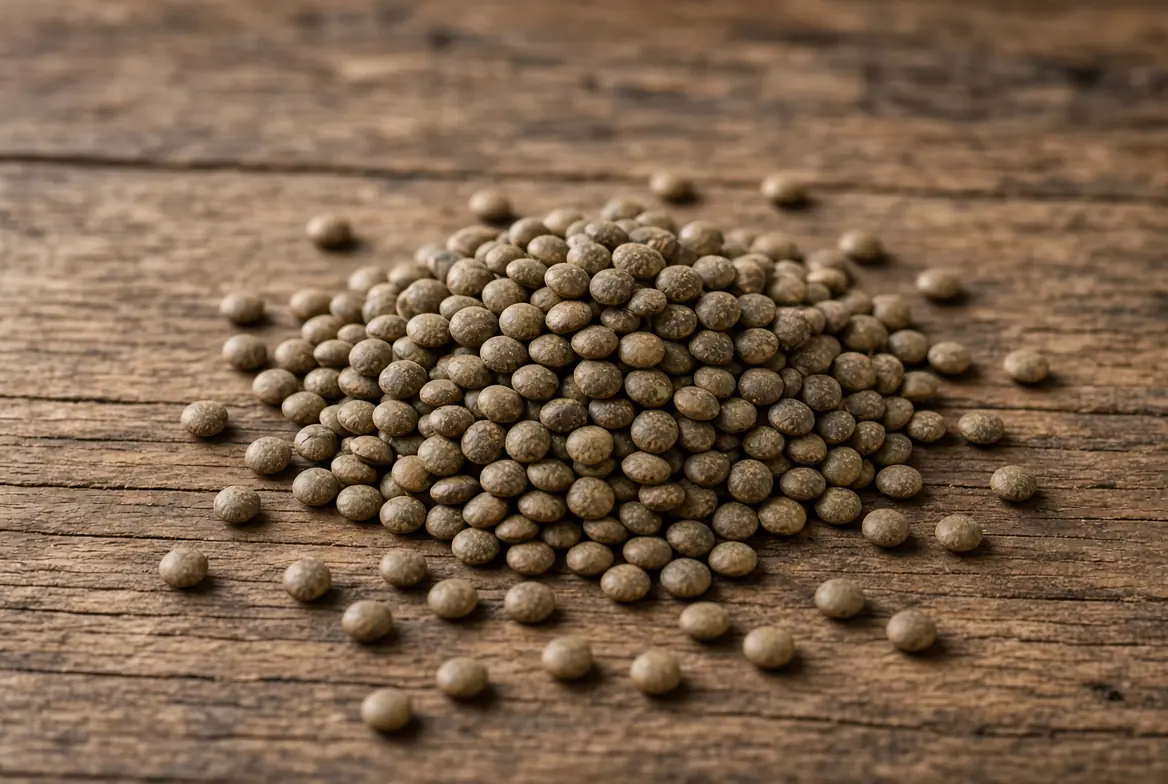
Lentils (Lens culinaris) are not automatically off-limits for people with chronic kidney disease (CKD). They are legumes that provide plant-based protein, fiber, vitamins and minerals, and they can be part of a balanced diet. In people with normal kidney function, eating a usual serving as part of a varied diet is not known to cause kidney damage.
For people with CKD, the appropriate serving size depends on laboratory results, nutritional status, medications, disease stage, dialysis treatment and the goals established by the healthcare team. Lentils contain potassium and phosphorus. However, phosphorus from plant foods is generally less readily absorbed than phosphorus from phosphate additives. This does not mean that none of it is absorbed or that it can be ignored in every situation. Soaking and cooking may change the amount of certain minerals, but the results vary, and these methods are not necessary for everyone.
1. Lentils and kidney function: what should you consider?
Legumes can contribute protein, fiber and dietary variety. For some people with CKD, healthcare professionals may recommend increasing the proportion of plant-based protein as a partial replacement for animal protein. This decision should take into account protein and energy requirements, nutritional status and laboratory results. There is no evidence that lentils alone lower pressure inside the glomeruli or stop kidney disease from progressing.
A. Plant-based protein and a balanced diet
Lentils are a source of plant-based protein, but the amount provided by a serving differs from that of meat, eggs or dairy products. People receiving conservative treatment and those on dialysis may also have different protein requirements. For this reason, replacing foods or reducing protein intake without professional guidance can result in an inadequate diet. A renal dietitian can help combine legumes with other foods according to an individual's nutritional plan.
The fiber in lentils can contribute to overall diet quality and healthy bowel function. This should not be interpreted as a treatment for CKD or as a guarantee that uremic toxins will decrease in any particular person.
B. Plant phosphorus and phosphate additives
Some of the phosphorus in legumes is bound to phytates. Phosphorus naturally present in plant foods generally has lower bioavailability than inorganic phosphorus added to many processed products. The proportion absorbed varies depending on the food, processing methods and individual factors. Therefore, it is not safe to apply a fixed absorption percentage to all lentils or to ignore total phosphorus intake when a clinical phosphorus target has been established.
To reduce exposure to phosphate additives, checking the ingredient list can be helpful. Terms containing “phosphate” or “phosphoric” may indicate added ingredients in certain products. Plain lentils usually have a short ingredient list, while ready-made or seasoned versions may contain salt and other additives.
C. Potassium, soaking and cooking
Lentils contain potassium, but the contribution of a meal depends on serving size and preparation method. Soaking legumes and then discarding the water may reduce some water-soluble minerals. The results vary depending on soaking time, water volume, variety, cutting or processing and cooking method. There is no guarantee that soaking for a specific number of hours will reduce potassium to a predetermined level.
Not everyone with CKD needs to restrict potassium or soak legumes for an extended period. Decisions should take into account blood potassium levels, medications, overall dietary intake and guidance from a nephrologist or renal dietitian.
2. Comparison of different legumes
Potassium and phosphorus levels vary by species, brand, dry or cooked state, serving size and cooking technique. The table below provides a qualitative comparison. For specific nutrient values, consult a food composition database that matches the food and preparation method being used.
| Food | Nutritional characteristics | What to consider with CKD |
|---|---|---|
| Cooked lentils | Source of plant-based protein, fiber, potassium and phosphorus. | Serving size and individual laboratory results guide any adjustments; preparation may change some mineral levels. |
| Cooked beans | Source of plant-based protein, fiber, potassium and phosphorus; composition varies by type. | Consider serving size, cooking liquid, salt and the preparation method recommended for you. |
| Cooked chickpeas | Provide protein and fiber, as well as minerals. | Pay attention to serving size, sodium in canned versions and individual laboratory targets. |
| Cooked whole soybeans | Legumes with significant amounts of protein and minerals. | Do not classify foods by name alone; consider serving size, form and individual nutritional guidance. |
| Processed legume products | May contain salt, sauces, preservatives or additives. | Check the nutrition label and ingredient list for sodium and additives. |
3. Lentils in different kidney health situations
Estimated glomerular filtration rate (eGFR) is only one part of the assessment. Albuminuria, blood test results, nutritional status, treatment and other factors also matter. The table provides general guidance and does not replace individualized medical advice.
| Health situation | Points to consider | Practical guidance |
|---|---|---|
| Normal kidney function | Serving size and overall dietary balance. | Lentils can be part of regular, varied meals. |
| CKD without specific potassium or phosphorus restrictions | Laboratory results, total protein intake and nutritional status. | In general, lentils do not need to be excluded; follow your dietary plan. |
| CKD with high potassium or an individual potassium target | Blood potassium, medications, serving sizes and other dietary sources. | Confirm the appropriate serving size and whether any preparation method is necessary with a renal dietitian. |
| CKD with high phosphorus or a recommendation to control phosphorus | Total intake, phosphorus sources, additives and individual response. | Consider the source of phosphorus; do not eliminate legumes without discussing nutritional alternatives. |
| Hemodialysis or peritoneal dialysis | Protein, potassium, phosphorus and sodium requirements vary by patient and dialysis modality. | Include lentils according to your dialysis team's dietary plan, which may differ from a conservative CKD diet. |
4. Myths and facts about lentils and kidney health
| Statement | What we know |
|---|---|
| “People with CKD can never eat lentils because of their phosphorus content.” | This is not a universal rule. Serving size, phosphorus type, laboratory results and the overall diet must be considered. |
| “Phosphorus from plant foods is the same as phosphorus from additives.” | No. Their bioavailability generally differs, although phosphorus from plant foods is not completely unabsorbed. |
| “Soaking lentils reduces some of the minerals that pass into the water.” | It may reduce some water-soluble minerals, but results vary and do not guarantee a specific final nutrient content. |
| “Lentils protect the kidneys and prevent CKD progression.” | There is no evidence that lentils alone have a therapeutic effect. They can be part of a planned dietary pattern. |
5. Practical recommendations for preparing lentils
1. Sort and rinse the lentils: Remove any debris and rinse the grains under clean drinking water before cooking.
2. Soaking is optional unless specifically recommended: If you choose to soak lentils, use enough water, refrigerate them during prolonged soaking and discard the soaking water before cooking. This may shorten cooking time and remove some water-soluble components, but it does not guarantee a specific reduction in potassium.
3. Cook in fresh water until tender: Do not eat raw or undercooked lentils. Discarding the cooking water may reduce some minerals that have moved into the liquid, but it can also change the final nutritional composition and is not necessary for everyone.
4. Avoid excessive salt and ready-made broths: Garlic, onion, herbs, spices and small amounts of oil can add flavor. If you have a sodium target, include the salt and other ingredients used in your calculations.
5. Adjust the serving size to your individual dietary plan: People with CKD may have different potassium, phosphorus and protein requirements. A serving that works for one person may not be appropriate for another.
6. Be careful with ready-made or canned lentils: Check the sodium content, sauces and ingredients on the label. Draining or rinsing may remove some surface liquid, but it does not necessarily remove all the sodium.
6. When should you talk to your nephrologist or renal dietitian?
Talk to your healthcare team if you have CKD, have been advised to control potassium, phosphorus, protein or sodium, are receiving dialysis, or are unsure how to include legumes in your diet. You should also seek an assessment if you have unintentionally lost weight, have a poor appetite or are struggling to meet your nutritional needs. Do not make broad dietary restrictions or replace protein sources without professional guidance.
Lentils are not inherently harmful to the kidneys and are not automatically prohibited for people with chronic kidney disease. They provide plant-based protein and fiber, but they also contain potassium and phosphorus. The appropriate serving size and whether soaking, discarding cooking water or making other adjustments is necessary depend on laboratory results, treatment and the individual's dietary plan.
Phosphorus from plant foods generally has lower bioavailability than phosphorus from additives, but it is not completely irrelevant. Soaking may reduce some water-soluble minerals without guaranteeing a specific final amount. If you have CKD or receive dialysis, discuss the appropriate serving size and preparation method with your nephrologist or renal dietitian.
This content is for informational purposes only and does not replace a medical consultation or individualized professional advice.
How we review this article
Publication and revision history
This version was published on November 5, 2026, and may be updated when relevant new clinical evidence becomes available.